Are you struggling to find inspiring travel brochure examples for your school project? Look no further! This guide is designed to help you create captivating brochures that will transport your audience on a journey of discovery, all while making you stand out in the classroom. Let's dive in and explore practical examples, design tips, and engaging content ideas.
Creating an engaging travel brochure is more than just throwing together some(destinations, maps, and hotel information. It's about telling a story, evoking emotions, and painting a picture of an experience that captures your readers' imagination. So, let's roll up our sleeves and get started!
Understanding the Fundamentals
The foundation of an effective travel brochure is a balance between enticing visuals and persuasive copy. Think of it like a visual essay, where every element supports the main idea: enticing readers to explore the destination and making them feel like they're part of the journey.


Before you put pen to paper or finger to keyboard, research your destination thoroughly. Understand its culture, history, highlights, and unique selling points. This will help you craft a compelling narrative that sets your brochure apart from the competition.
Design Considerations
First impressions matter, and your brochure's design will either draw readers in or make them move on. Keep these design principles in mind:


- Know your audience - The design should cater to the kind of travelers that would be interested in the destination.
- Choose a color palette - This should reflect the destination's atmosphere, culture, or even its landscape.
- Use high-quality, captivating images - These are the stars of your brochure!
- Ensure readability - Make your fonts easy to read, prioritize headings and subheadings.
Engaging Content: More than Just Facts
While accuratetedestination information is crucial, it's the way you present it that'll make your brochure a winner. Here's how toencer to make your brochure a winner:
- Storytelling - Use vivid descriptions, anecdotes, and personal experiences to bring your destination to life.
- Benefits, not just features - Instead of listing boring facts, explain how the destination meets travelers' needs and add value to their lives.
- Local insights - Include tips from locals, secrets spots, or unique cultural experiences to give readers an authentic taste of the destination.
Brochure Layout and Folds
The brochure's layout and folding style can dramatically impact how your content is presented. Let's look at two popular examples and their advantages:
Bi-fold: This classic layout is straightforward and economic. It's perfect for presenting information in a clean, organized manner. The most common format is a 8.5" x 11" sheet folded in half, presenting a 5.5" x 8.5" space on each side. However, feel free to experiment with different sizes and folding styles to make your brochure stand out.


Consider this example layout:
- Front cover: A captivating image and engaging headline.
- Inside left panel: Short introduction to the destination, followed by a list of top attractions.
- Inside right panel: Detailed itinerary or themed sections (e.g., history, nature, food).
- Back cover: Maps, contact information, and an inviting call-to-action.
Tri-fold and Beyond
The tri-fold (or accordion fold) offers more space for content and has a more dynamic feel. This layout is ideal for destinations with a lot of information to share or those that want to showcase multiple aspects of their offering.


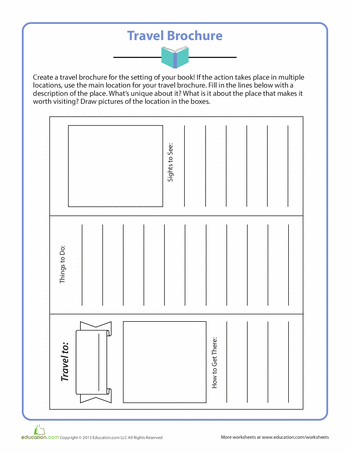
For instance, you could have:
- Each panel dedicated to a different aspect of the destination (e.g., culture, wildlife, adventure) with relevant images and engaging content.
- Interactive elements like pop-ups or flaps to reveal hidden content.
Don't be afraid to get creative and think outside the box. Just make sure your design is functional, keeping your readers' experience at the heart of your decision-making.
Remember, the goal is to create a travel brochure that not only informs but also inspires, engaging readers and transporting them to a new place. So, grab your research, put on some travel-inspired music, and let your creative juices flow. The next time your classmates flip through your brochure, they'll feel like they're on vacation, all thanks to your fantastic design and storytelling skills!