In the digital age, emails have largely replaced traditional letters, but there are still instances where a well-formatted, printed letter is necessary. Whether you're applying for a job, making a formal complaint, or sending a thank-you note, knowing how to properly format a letter in Microsoft Word is a crucial skill. This guide will walk you through the process, ensuring your letters make a strong, professional impression.
Before we dive into the details, remember that font choice, size, and color are crucial. Times New Roman is the most common and professional font, with a size of 12. Black ink is standard, but maintaining contrast is key. Now, let's break down the process.
The Basic Elements of a Letter
A standard letter consists of three main parts: the heading, the body, and the closing. Each has its own formatting rules.


After the heading, the body of the letter should have a first-line indent, or a paragraph indentation, of around 1.25 cm or 0.5 inches. This makes the text more readable by creating a clear distinction between paragraphs.
Setting Up Your Letter in Word
Here's how to set up your letter in Word:


- Open a new document in Word.
- Go to 'Mailings' on the Home tab, then click 'Letter Wizard'.
- Choose 'Letter' (not 'Envelope') and click 'OK'.
- You'll see 'Letter' in the toolbar. Click this to begin designing your letter.
Formatting Each Part of the Letter
Let's format each part of your letter.
Heading: This includes your return address and the date. Set your cursor on the left, enter your address, then press Entertwice. Type the date, followed by a comma and two spaces. Remember, full dates are preferred. Use the 'Enclose Text' option in your Numbering gallery to ensure consistent formatting.
Body: After the greeting (Mr. Smith, Dear Sir/Madam, etc.), start your first paragraph. Use a first-line indent for readability, and ensure each paragraph is indented. Don't use more than three lines in a paragraph, if possible.


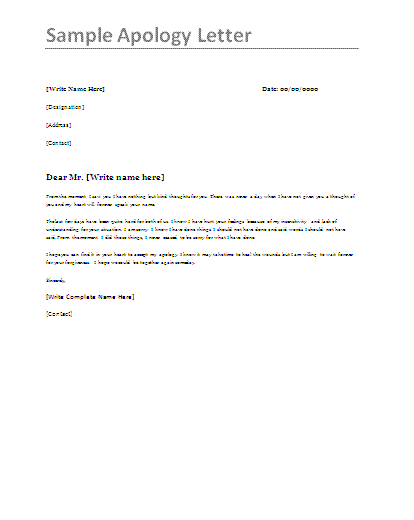

Closing: The closing should be aligned with the right margin. Use a professional closing like 'Sincerely' or 'Yours faithfully', followed by a comma. Four lines, or two single-spaced between your closing and your name, is standard.
Your final letter should be easy to read, with plenty of white space. Use clear, concise language, and avoid jargon. This ensures your message is understood by all recipients.
Handling Special Cases
While most letters follow these rules, some may require adjustments.


Enclosing Documentation
When enclosing documents, mention them briefly at the end of your letter. For example, "Enclosed are copies of our recent invoices for your records." Use the 'Marge' feature in the ' مثال' tab to create a text box around each enclosure.
Multi-Page Letters
It's rare, but sometimes a letter needs more than one page. Number your pages, and ensure each page has a header with the page number, your name, and your recipient's name.
In conclusion, formatting a letter in Word may seem complex, but following these guidelines ensures your letters look professional and polished. Remember, a well-formatted letter reflects positively on its sender. So, take pride in your written communication, and watch your correspondence improve.