Ever needed to create eye-catching promotional materials for a local event, a charity drive, or simply to decorate your home? With a printer at your disposal, you can design and print stunning posters right from the comfort of your home. This guide will walk you through the process, from software choice to printing techniques, ensuring you achieve professional-looking results without expensive equipment or design skills.
Before diving in, gather your materials: a computer, a home printer (inkjet or laser), paper in your preferred size and weight (heavier paper works best for posters), and essential design elements like images, graphics, or texts you want to include. Let's begin!
The Perfect Design Software: Free and User-friendly Options
You don't need expensive design software to create beautiful posters. Free, user-friendly alternatives like Canva, GIMP, or even Microsoft Word can do the job. For this guide, we'll focus on Canva, which offers a vast range of templates and design tools.


Canva's 'Poster' template category provides countless designs to choose from or start with. You can tweak colors, fonts, and layouts to match your desired aesthetic. Once satisfied, download your design as a PDF or image for printing.
Designing Your Poster: Tips and Tricks
Posters communicate information quickly and effectively, so ensure yours is clean, bold, and easy to read. Use a large, sans-serif font for headings and a simple, legible font for body text. Limit your color palette to ensure your poster isn't overwhelming or hard to read.


Arrange your information in a hierarchy, with the most important information at the top or middle, using size, color, or bold text to draw the eye. Include plenty of white space to keep your poster uncluttered. Don't forget to adjust the resolution to 300 DPI for high-quality printing.
Choosing the Right Paper for Your Poster
Poster paper typically comes in sizes 27" x 40" or larger, but you can achieve similar results with standard paper sizes by printing in sections and taping or overlapping them. Medium to heavyweight paper (65-118gsm) provides the best print quality, sharpness, and durability for posters.
Consider the type of paper, too. glossy or semi-gloss paper can provide richer colors, while matte paper reduces glare and fingerprints. Choose the one that best fits your poster's purpose and intended display area.


Printing Your Poster: Steps for Optimal Results
Ensure your printer is correctly set up for poster printing. Adjust the printer settings to match the paper type you're using. If your printer supports borderless printing, enable it to maximize poster size. Use high-quality printing mode for better color accuracy and sharpness.
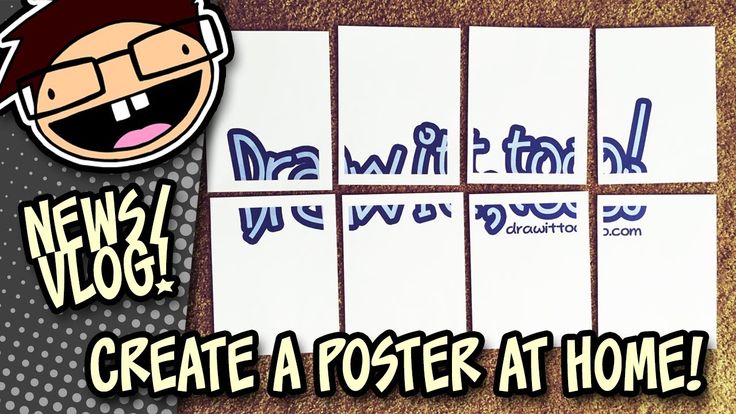
If your printer doesn't support poster sizes, you can print in sections and assemble them later. Use overlapping guides in your design software to ensure accurate alignment. Once printed, carefully tape or overlap the sections to create your poster.
Poster Care and Display
Once printed, protect your poster from moisture, sunlight, and fingerprints. Store it in a cool, dry place until it's time to display.


When displaying, use clips, poster frames, or adhesive strips to secure it to walls or other surfaces. Avoid taping, which can damage the poster and leave residue. Keep it away from direct sunlight to prevent fading.
There you have it – a comprehensive guide to creating and printing stunning posters at home. With a bit of creativity and these techniques, you'll be enjoying your personalized, high-quality posters in no time. So, go forth and create! Happy printing!