Are you embarking on a school project that requires a poster? Want to create an engaging and informative display that captivates your audience? Look no further. In this step-by-step guide, we'll walk you through the process of designing a compelling poster using PDF format, ensuring your project stands out and communicates your message effectively.
Before we dive into the design process, let's understand why PDF is an ideal choice for your poster. PDF, or Portable Document Format, is universally compatible, ensuring your poster looks just as intended, regardless of the device or software used to view it. It also preserves your work's formatting and allows for easy printing even at high resolutions. So, let's get started!
Preparation and Planning
Before you start designing, you'll need to plan your content and gather your materials.


Your poster should inform, persuade, or raise awareness. Define your purpose and target audience. This will guide your content creation and design choices. Gather relevant images, charts, or graphs that support your message. Ensure you have the rights to use them or, better yet, create your own visuals.
Research and Content Development
Thorough research is vital to create a compelling poster. Gather facts, statistics, and examples that reinforce your message. Once you have your information, condense it into digestible chunks. Remember, a poster is a quick reference, not a comprehensive report.


Craft a clear and concise headline that captures your main message. Use bullet points, short paragraphs, and labels to present your content in an easy-to-scan format. Include a call-to-action if appropriate, encouraging viewers to take a specific action.
Design Considerations
When it comes to design, keep it simple and clean. A cluttered poster defeats its purpose. Use a large, easy-to-read font. Consider using a hierarchy of font sizes to create contrast and guide the reader's eye through the poster.
Select a color scheme that aligns with your message or school branding. Use no more than three colors to avoid confusion. Incorporate visuals that enhance understanding and engagement. Consider using infographics, graphs, or maps to present data.


Designing Your Poster in PDF
Several design software options can output to PDF, including Adobe Illustrator, InDesign, and free alternatives like Canva or Inkscape.
Here's a step-by-step process using Canva:
Choose Your Design Template
Canva offers a variety of poster templates. Choose one that suits your content and aesthetic. You can also create a design from scratch.
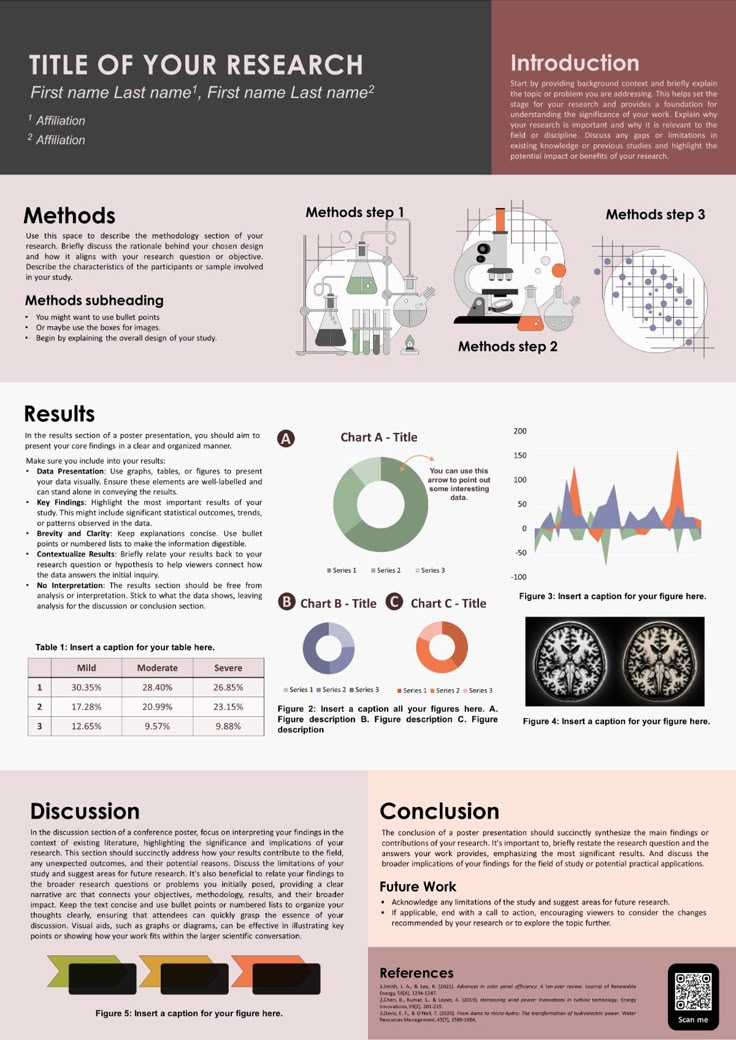


Customize the template with your content, images, and branding. Use the text tools to add and format your headlines, subheadings, and body text. Utilize the images tool to insert and edit visuals.
Layout and Formatting
Arrange your content and visuals in a logical, easy-to-follow layout. Use alignment tools toensure your poster is balanced and visually pleasing.
Experiment with white space to prevent your poster from looking too busy. Consider using shapes or backgrounds to separate sections or add visual interest.
Exporting and Printing Your Poster
Once you're satisfied with your design, it's time to export it as a PDF.
In Canva, click on 'Download' in the top-right corner, then select 'PDF'. Choose 'Print Quality' for the best resolution, and click 'Download'.
pdf**, if necessary(optional) for large, complex, or multi-page posters**
For complex posters, consider using Adobe Illustrator or InDesign for more advanced design features. When exporting, choose 'File' > 'Save As' > 'PDF' and select the appropriate settings.
Before printing, preview your PDF to ensure it looks as intended. Use a high-resolution printer and good quality paper for the best results. Always print a test sheet before printing multiple copies.
Congratulations! You've now created an engaging and informative poster for your school project. Remember, the key to a successful poster is clear, concise content and a clean, visually appealing design. So, start preparing, designing, and let your creativity shine. Good luck!