In the digital age, creating a poster from a picture is not only convenient but also accessible. With a plethora of both online and offline tools, anyone can turn their favorite image into a captivating poster. Let's delve into how you can do this, step by step, ensuring you create a high-quality poster that makes an impact.
To get started, you'll need a picture you'd like to use as the base for your poster. This could be a photograph, an illustration, or even a graphic you've created digitally. Once you have your image, you're ready to embark on the poster creation process. But before we dive into the tools and techniques, let's consider the fundamentals of poster design.
Understanding Poster Design Fundamentals
Posters are designed to grab attention and convey a message or idea quickly and effectively. They typically follow a 'rule of thirds' grid to create harmony and balance, with key elements placed along these lines or at their intersections. Another crucial aspect is color scheme, which should be bold and contrasting to draw the eye in.


The hierarchy of information is also vital. Start with a focus, usually an eye-catching image or headline, and build around it with supporting elements. The poster should be easy to scan with minimal text and plenty of white space.
Choosing the Right Software
There are numerous design software options to create your poster, catering to varying skill levels and needs. Adobe Photoshop and Illustrator are professional standards, but they have steep learning curves. For beginners, free or user-friendly alternatives like Canva, Crello, or online tools specifically designed for poster making are excellent starting points.
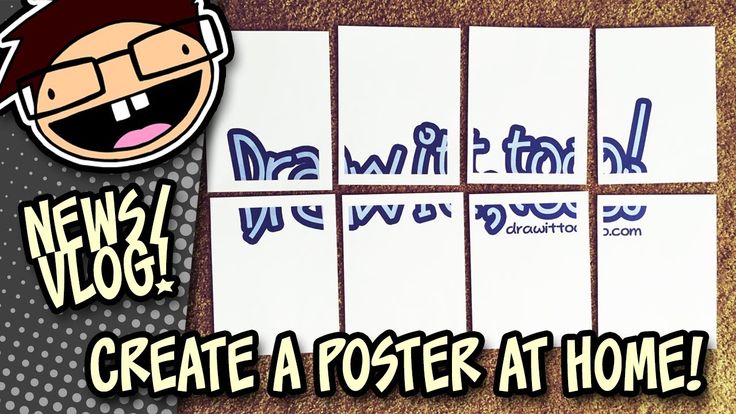


If you're keen on using software you already have on your computer, consider editing tools like Microsoft Paint (for simplicity) or PowerPoint (for basic layout and text addition). Some image printers also offer free, user-friendly design software for creating posters from photos.
Online Poster Makers and Templates
Online poster makers are designed for users with little to no design experience. They offer a wide range of templates that you can customize with your image and text. Some popular options include Canva, Crello, and Adobe's online Spark Post. These platforms also provide tutorials and design tips to help you create the perfect poster.
Browse their templates to find one that suits your image and message. Most platforms allow you to upload your image and customize the text, colors, and layout to match your preferences. Once satisfied with your design, download it and prepare it for printing.


Printing Your Poster
Once your poster is designed and perfected, it's time to choose a printing option. You can print it at home if you have a suitable printer, or use one of the many online printing services. Services like Shutterfly, Snapfish, or your local big-box store (Walmart, Staples) offer poster printing with varying levels of quality and customization.
When choosing a printing service, consider the poster's purpose and where it will be displayed. For professional or large-scale applications, opt for high-quality, thick paper or cardstock, preferably with a glossy or semi-gloss finish. For one-time, personal use, less expensive options should suffice.
Self-Printing at Home
If you opt to print your poster at home, ensure your printer can handle the paper size and type you need. Most inkjet printers can handle poster printing up to 13x19 inches, while some can go up to 24x36 inches, or even larger. Laser printers generally have higher maximum limits and better printquality.


Before printing, make sure to check your printer's resolution and ink/toner levels. Apply any specific poster printing settings, such as borderless printing, and adjust your poster's scaling to fit the paper size. Preview your print to ensure all elements are visible and well-positioned.
Print-Ready Preparation
When preparing your poster for professional printing, ensure it meets the service's guidelines. This may include required file formats ( typically PDF or PNG), resolution (usually 300 dpi), and bleed settings. Bleed refers to the area outside the poster's trim line, which includes any elements that should extend to the poster's edge without a border.
Professional Printing Services
Professional printing services offer convenience and high-quality results. They streamline the printing process and often provide additional services like finishing touches, such as laminating or framing. However, they usually come at a higher cost than home printing.
Before selecting a service, compare their prices, turnaround times, and delivery options. Read reviews to assess their quality and customer service. Once you've chosen a service, follow their upload and sizing guidelines to ensure your poster is print-ready.
Press print, and soon you'll have a stunning poster to proudly display or share. Whether you used an online template or designed it from scratch, remember that practice makes perfect. The more posters you create, the better you'll become at capturing the essence of your image and message in a captivating design. So, get started, and watch your ideas come to life on paper!"