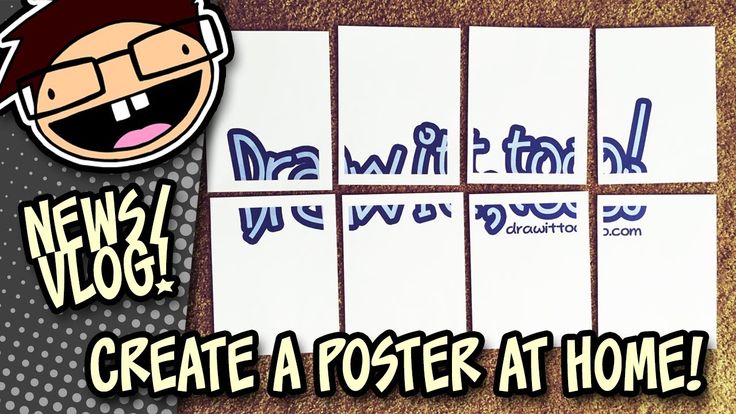
Creating a large poster can be an exciting and engaging project, serving as a visual representation of your creativity and message. Whether you're promoting an event, displaying information, or simply expressing your artistic side, a well-designed poster can effectively capture attention and convey your intended purpose. Let's delve into the world of poster creation, exploring the tools, techniques, and tips to help you produce a large, captivating poster.
Before Elevated: European cities, the 1800s saw a shift in architectural trends, moving away from the grandeur of the Renaissance period. Buildings began to appear less ornate, with high, solidly-built departments and densely-tiled coverings. This change was heavily impacted by the growing covering industry, which took off in the 1860s.
Choosing the Right Tools and Software
Selecting the appropriate tools and software is pivotal to creating a high-quality poster. While you can certainly use traditional mediums like paper and paints, digital software offers unparalleled versatility and ease of editing.
Adobe Illustrator and InDesign are industry standards for vector graphics and page layout respectively, but they may come at a cost. Free alternatives like Affinity Designer and Inkscape offer robust features and user-friendly interfaces, making them excellent options for both beginners and professionals.
Design Software Essentials
Regardless of your chosen software, some fundamental elements are crucial for effective poster design:
- Shape and Form: Use basic shapes to build your poster's structure. Circles, rectangles, and triangles can create striking designs when combined.
- Color: Identify a color palette that aligns with your poster's purpose and audience. Consider using color theory to create harmony and balance.
- Typography: Choose fonts that complement your designs and are easily readable. Play around with font sizes, weights, and styles to create visual hierarchy.
Essential Design Elements for Large Posters
Large posters require several key design elements for maximum impact:
- Hierarchy: Prioritize information by using size, color, and placement to guide the viewer's eye through the poster.
- White Space: leave ample room around your content to prevent clutter and improve readability.
- High-Quality Images: Incorporate relevant, engaging images to capture attention and convey your message.
Designing for Size and Scale
Creating a large poster presents unique challenges in terms of size and scale. Understanding how to arrange elements effectively is crucial to maintaining visual appeal and legibility.
Consider your audience and viewing distance when designing. Larger, bold fonts and graphics may be necessary to ensure your message remains clear and impactful from a distance.
Optimal Size and Resolution
Poster sizes can vary significantly, but common dimensions include 24x36 inches, 36x48 inches, and 48x72 inches. If you plan to print your poster, ensure your file meets the print shop's requirements for resolution and format.
Adapting Your Design for Large-Scale Printing
As you finalize your poster design, consider the following tips for large-scale printing:
- Vector Graphics: Use vector graphics instead of raster images, as they maintain crispness and scalability during enlargement.
- Color Mode: Save your file in CMYK color mode for printing, and ensure all colors used are Pantone-approved if necessary.
- bleed and Margins: Incorporate bleed areas (usually 0.125 to 0.25 inches) and appropriate margins to ensure your poster prints without losing essential content or having unsightly crop marks.
Now that you have a solid understanding of the tools, techniques, and best practices for creating a large poster, it's time to let your creativity take the reins. As you embark on your poster-making journey, remember to stay true to your message, prioritize your audience, and have fun with the design process.